Новости
MIL-DTL-38999: Полное руководство по военным круглым разъемам
Оглавление
Переключать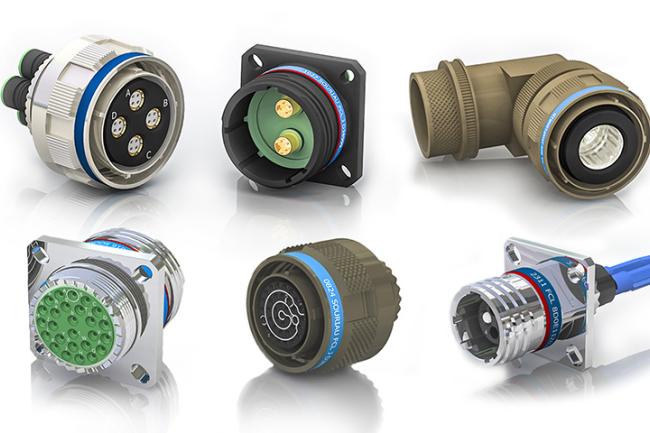
Разъемы MIL-DTL-38999 Это электрические разъемы военного образца, предназначенные для высокопроизводительных применений в аэрокосмической, оборонной и других сложных условиях. Эти круглые разъемы соответствуют строгим военным стандартам надежности, долговечности и устойчивости к воздействию окружающей среды. Если вы работаете с военными или аэрокосмическими системами, вам необходимо понимать, как эти разъемы могут решить ваши сложные задачи по подключению.
МИЛ-ДТЛ-38999 Это подробная спецификация, описывающая четыре серии миниатюрных круглых разъемов высокой плотности с различными способами соединения, включая байонетное, резьбовое и казенное. Спецификация определяет точные требования к электрическим разъемам, которые должны работать в экстремальных условиях. Эти разъемы предлагаются в нескольких типоразмерах корпуса, с различными вариантами расположения контактов и конфигурациями монтажа для удовлетворения конкретных потребностей вашего применения.
Разъемы MIL-DTL-38999 используются в авиационных системах, военной технике, корабельной электронике и промышленном оборудовании там, где стандартные разъемы не подходят. Спецификация допускает съемные обжимные контакты и герметичные контакты для пайки, что обеспечивает гибкость в способах соединения. Понимание различных серий и их возможностей поможет вам выбрать подходящий разъем для вашего проекта.
Основные выводы
- Разъемы MIL-DTL-38999 — это миниатюрные круглые разъемы высокой плотности, изготовленные в соответствии с военными стандартами для работы в суровых условиях.
- В спецификацию включены четыре серии с различными способами соединения, размерами корпуса и расположением контактов для различных областей применения.
- Эти разъемы отличаются устойчивой к воздействию окружающей среды конструкцией, широким выбором материалов и различными технологиями контактов для надежной работы.
Обзор серии и классификация
Разъемы MIL-DTL-38999 подразделяются на четыре отдельные серии, каждая из которых имеет специфический механизм соединения для удовлетворения различных эксплуатационных требований. В серии I используется стандартное байонетное соединение, в серии II — низкопрофильная байонетная конструкция, в серии III — резьбовое соединение, а в серии IV — затворное соединение для максимальной надежности.
Серия I: Штыковое соединение

В разъемах серии I используется стандартный байонетный механизм соединения, обеспечивающий быстрое подключение и отключение. Эти разъемы широко применяются в военной и аэрокосмической отраслях, где важна быстрая стыковка.
Конструкция штыкового соединения требует простого нажатия и поворота для надежной фиксации. Этот способ соединения обеспечивает надежное сопряжение, сохраняя при этом устойчивость к воздействию окружающей среды в суровых условиях.
Разъемы серии D38999 I работают в диапазоне температур от -65°C до +200°C. Они оснащены съемными обжимными контактами, что упрощает ремонт и техническое обслуживание в полевых условиях. Серия соответствует основным спецификациям MIL-DTL-38999 в отношении герметизации от воздействия окружающей среды и защиты от электромагнитных помех.
Серия II: Низкопрофильные и штыковые соединения

Разъемы серии II, соответствующие стандарту MIL-DTL-38999, имеют низкопрофильное байонетное соединение, что уменьшает общую высоту разъема. Такая конструкция обеспечивает те же преимущества быстрого подключения, что и разъемы серии I, но в более компактном корпусе.
Благодаря уменьшенному профилю серия II идеально подходит для экономии места в условиях ограниченного пространства. Вы получаете ту же защиту от воздействия окружающей среды и характеристики контактов, что и в других сериях, при этом минимизируя выступание разъемов из панелей и оборудования.
Серия II поддерживает диапазон рабочих температур от -65°C до +200°C. Низкопрофильная конструкция не снижает устойчивость разъема к вибрации, ударам и воздействию окружающей среды. В этих разъемах используется та же технология съемных обжимных контактов, что и в серии I.
Серия III: Резьбовые соединения

В соединителях серии III используется резьбовой механизм соединения, а именно, резьба типа ACME. Этот метод соединения обеспечивает превосходную виброустойчивость по сравнению с байонетными соединениями.
Резьбовая конструкция требует больше времени для соединения и разъединения, чем байонетные варианты. Однако она обеспечивает повышенную устойчивость к случайному отсоединению в условиях сильной вибрации. Это делает серию 38999 III особенно подходящей для применения в наземной технике, судах и промышленном оборудовании.
Разъемы серии D38999 III выпускаются как в экологическом, так и в герметичном исполнении. Резьбовое соединение обеспечивает надежное механическое соединение, сохраняющее герметичность даже в экстремальных условиях. Эти разъемы соответствуют полной спецификации MIL-DTL-38999 и включены в список сертифицированной продукции Агентства материально-технического обеспечения Министерства обороны США.
Серия IV: Затворная муфта
Разъемы серии IV MIL-DTL-38999 оснащены механизмом затворной фиксации, обеспечивающим высочайший уровень безопасности соединения. Конструкция с затворной фиксацией включает в себя как основной, так и дополнительный механизмы блокировки для предотвращения случайного отсоединения.
Разъемы серии IV используются в критически важных областях, таких как ракетные системы, системы управления огнем и другие оборонные приложения, где надежность соединения имеет первостепенное значение. Для разъединения затворного соединения требуется целенаправленное действие, что делает практически невозможным непреднамеренное разъединение соединений.
Разъемы серии 38999 IV выпускаются в размерах корпуса от 11 до 25. Соединительная гайка и технология фиксации обеспечивают защиту от дезактивации, превосходящую другие методы соединения. Эти разъемы сохраняют полную герметизацию от воздействия окружающей среды и заземление от электромагнитных помех, обеспечивая при этом защиту контактов от коротких замыканий и механических повреждений во время соединения.
Основные типы разъемов и варианты монтажа
Разъемы MIL-DTL-38999 выпускаются в двух основных конфигурациях — гнезда и штекеры — с различными вариантами крепления для соответствия различным требованиям установки. Ваш выбор зависит от того, требуется ли вам фиксированная или съемная точка подключения, а также от способа крепления разъема к вашему оборудованию.
Розетки и вилки
Розетки служат неподвижной точкой крепления на панели оборудования или перегородке. В них вставляется вилка, и обычно в них размещаются контакты розетки. Вы можете заказать розетки в различных вариантах крепления, включая крепление с помощью контргайки, настенное крепление и крепление в монтажную коробку.
Вилки представляют собой устанавливаемую на кабель половину пары разъемов. В зависимости от серии они могут иметь байонетное, резьбовое или запорное соединение. Вилки выпускаются в стандартных вариантах для работы в любых условиях, герметичных разъемах для полностью закрытых помещений, а также в вариантах с фильтрами для защиты от электромагнитных помех.
Система вилок и розеток позволяет в большинстве случаев отключать кабели от оборудования без использования инструментов. Это ускоряет техническое обслуживание и ремонт на месте, а также сокращает время простоя.
Варианты крепления: контргайка, настенное крепление и коробчатое крепление.
Монтажные отверстия с контргайкой устанавливаются через отверстие в панели и фиксируются резьбовой гайкой с обратной стороны. Этот способ монтажа удобен, если во время установки есть доступ к обеим сторонам монтажной поверхности. Контргайка обеспечивает прочное механическое соединение и герметичность.
Настенные розетки крепятся непосредственно к плоской поверхности с помощью монтажных отверстий вокруг фланца разъема. Для установки не требуется доступ с задней стороны, что делает их удобными для герметичных корпусов или при ограниченном внутреннем пространстве.
Розетки с коробчатым креплением имеют квадратный фланец с четырьмя монтажными отверстиями по углам. Они обеспечивают наиболее надежное крепление в условиях сильной вибрации и распределяют монтажную нагрузку по большей площади, чем розетки с настенным креплением.
Проходные и заглушечные разъемы для подключения к перегородке
Проходные соединители для монтажа на перегородку позволяют прокладывать соединения через панель, обеспечивая при этом герметизацию с обеих сторон. Они используют два разъема, установленных друг за другом, создавая точку сквозного соединения. Вы можете соединять вилки с любой стороны перегородки.
Декоративные заглушки служат защитными крышками для неиспользуемых вилок. Когда у вас есть кабельные сборки, которые в данный момент не используются, декоративные заглушки защищают контакты от загрязнения и повреждений. Некоторые производители также предлагают защитные чехлы для разъемов, которые представляют собой аналогичные защитные крышки, сохраняющие целостность кабельных сборок во время хранения или транспортировки.
Эти защитные кожухи обеспечивают такую же герметичность, как и активные соединения. Они особенно важны в суровых условиях, где пыль, влага или химические вещества могут повредить открытые контакты.
Характеристики производительности и экологические возможности
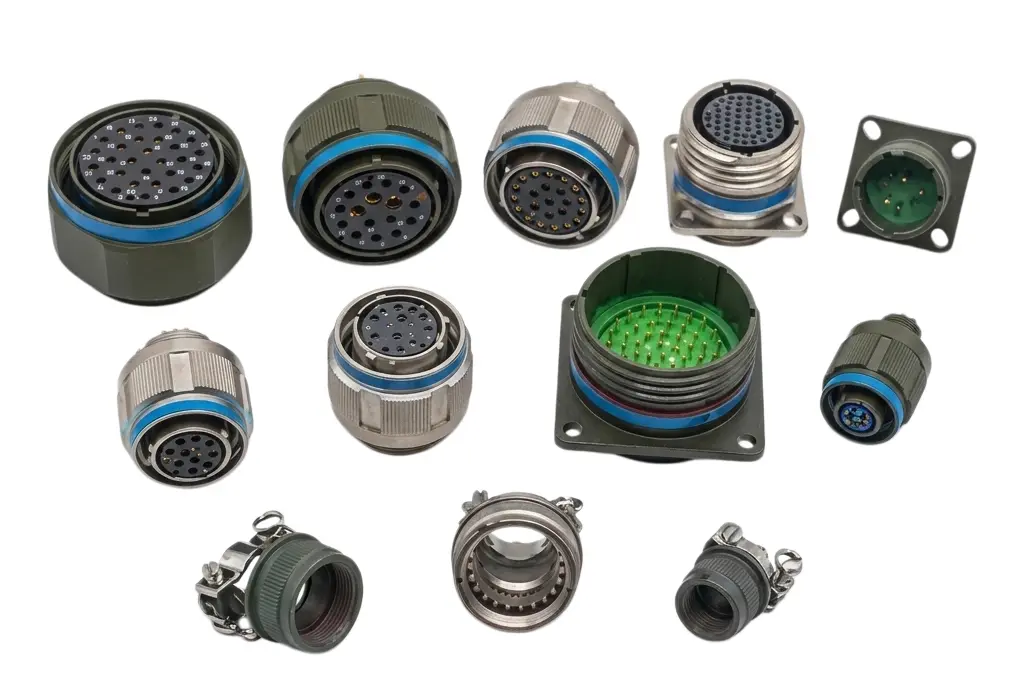
Разъемы MIL-DTL-38999 демонстрируют проверенную производительность в экстремальных условиях благодаря передовым технологиям герметизации, электромагнитной защите и прочной механической конструкции. Эти характеристики делают их надежными для применений, где отказ недопустим.
Герметизация и защита окружающей среды
Соединители обеспечивают несколько уровней защиты от воздействия окружающей среды в зависимости от требований вашего применения. Стандартные версии обеспечивают герметизацию за счет эластичных уплотнительных колец и прокладок, защищающих от влаги, пыли и загрязнений.
Герметичные варианты доступны, когда требуется полная защита от воздействия окружающей среды. В этих версиях используются герметичные паяные контакты, создающие воздухонепроницаемое уплотнение, предотвращающее проникновение газа или жидкости. Герметичные конфигурации идеально подходят для космических аппаратов, глубоководного оборудования и других применений, где происходит воздействие экстремальных перепадов давления или коррозионных сред.
В большинстве разъемов, предназначенных для работы в различных условиях, используются съемные обжимные контакты, что позволяет проводить техническое обслуживание в полевых условиях, сохраняя при этом герметичность. Система герметизации с помощью уплотнительных колец вокруг отдельных обжимных контактов обеспечивает защиту каждой точки ввода провода. Паяные контакты обеспечивают надежное соединение, когда требуется герметичность.
Варианты экранирования и фильтрации электромагнитных/радиочастотных помех
Разъемы обеспечивают комплексную защиту от электромагнитных помех благодаря множеству конструктивных особенностей. Стандартные корпуса обеспечивают базовое экранирование от ЭМП за счет проводящих металлических оболочек, создающих непрерывный путь заземления.
Эффективность экранирования от электромагнитных и радиочастотных помех повышается за счет специализированной конструкции корпуса с улучшенными интерфейсами заземления. Механизмы соединения обеспечивают экранирование на 360 градусов при сопряжении, сохраняя целостность сигнала в условиях высокого уровня шума.
В продаже имеются фильтрующие разъемы для защиты от электромагнитных помех (ЭМП) со встроенными фильтрующими элементами, подавляющими электромагнитные помехи на границе разъема. Эти решения для защиты от ЭМП и заземления во многих областях применения исключают необходимость использования внешних фильтров. Варианты фильтрации ЭМП позволяют работать в различных диапазонах частот и с разными номинальными токами в зависимости от ваших конкретных требований.
Вибрация, удары и долговечность
Система однооборотного соединения с самоблокирующейся трапецеидальной резьбой обеспечивает надежное соединение даже при непрерывной вибрации. Этот механизм быстрого отсоединения предотвращает случайное разъединение во время работы, обеспечивая при этом быстрое соединение и разъединение.
Термостойкость подтверждается испытаниями в водяных ваннах при температурах от +4°C до +90°C. После этих экстремальных температурных циклов разъемы сохраняют все электрические и механические характеристики.
Надежная система фиксации контактов обеспечивает их надежное крепление при ударных нагрузках в соответствии с военными стандартами. Материалы корпуса и варианты покрытия обеспечивают коррозионную стойкость, гарантируя долговечность в суровых условиях эксплуатации.
Контактные технологии и усовершенствованные схемы размещения вставок
Разъемы MIL-DTL-38999 поддерживают широкий спектр контактных технологий, выходящих за рамки стандартных электрических контактов и гнезд. Вы можете выбрать конфигурации с высокой плотностью размещения, оптоволоконные клеммы, радиочастотные контакты и специализированные варианты, такие как двухжильный кабель, чтобы удовлетворить специфические потребности вашего приложения в передаче сигнала.
Варианты с высокой плотностью и смешанными сигналами
Расположение контактов с высокой плотностью позволяет максимально увеличить количество цепей в заданном размере корпуса. В таких конфигурациях размещается больше контактов на той же площади разъема по сравнению со стандартными схемами. Эти схемы особенно полезны, когда пространство ограничено, но требуется несколько сигнальных трактов.
Вставки для смешанных сигналов объединяют различные типы контактов в одном разъеме. Вы можете интегрировать силовые контакты вместе с контактами передачи данных или сочетать стандартные сигнальные контакты с коаксиальными радиочастотными контактами. Такая гибкость позволяет объединить несколько типов разъемов в одном устройстве, уменьшая общий вес и сложность системы.
Съемные обжимные контакты являются наиболее распространенным методом заделки в таких схемах. Их можно устанавливать и снимать с разъема с помощью специальных инструментов для извлечения, что упрощает ремонт и модификации в полевых условиях.
Волоконно-оптические и радиочастотные контакты
Волоконно-оптические разъемы с наконечниками MT выпускаются в корпусе, соответствующем стандарту MIL-DTL-38999, для высокоскоростной передачи данных. Эти волоконно-оптические клеммы обеспечивают надежное оптическое соединение в суровых условиях аэрокосмической отрасли. Вы получаете герметичность и долговечность разъемов 38999 в сочетании с преимуществами пропускной способности волоконной оптики.
Контакты радиочастотного типа обрабатывают высокочастотные сигналы с минимальными потерями. Коаксиальные и квадраксиальные контактные схемы обеспечивают целостность сигнала для радаров, средств связи и других радиочастотных приложений. Контакты типоразмера 8 обычно используются для коаксиальных соединений, а специализированные схемы позволяют разместить несколько радиочастотных цепей в компактных корпусах.
Специализированные типы контактов: Twinax и другие.
Контакты Twinax поддерживают сбалансированную дифференциальную передачу сигналов для высокоскоростной передачи данных. В отверстиях для уплотнительных колец типоразмера 8 в разъемах MIL-DTL-38999 можно устанавливать защитные колпачки, специально разработанные для контактов Twinax в соответствии со стандартом MIL-DTL-38999/62. Это обеспечивает надлежащую герметизацию этих специализированных контактов.
Герметичные паяные контакты обеспечивают герметичное соединение для применений, критически важных с точки зрения давления. Они используются, когда необходима абсолютная защита от воздействия окружающей среды или при работе с системами под давлением. Контакты постоянно герметизируются в стеклянные или керамические изоляторы, создавая герметичный барьер, предотвращающий проникновение газа или жидкости через разъем.
Аксессуары для разъемов и их индивидуальное изготовление
Для надежной работы разъемов MIL-DTL-38999 в суровых условиях требуются соответствующие аксессуары. Задние крышки обеспечивают экранирование от электромагнитных помех и снятие натяжения, а защитные колпачки и заглушки защищают неиспользуемые разъемы от загрязнения и повреждений.
Задние крышки и защита от натяжения
Защитные кожухи разъемов выполняют множество важных функций в кабельных сборках. Они обеспечивают оконечную обработку экранов кабелей для защиты от электромагнитных помех (ЭМП) и радиочастотных помех (РЧП). Эти аксессуары также обеспечивают механическую защиту от натяжения, предохраняя контактную поверхность от повреждений.
В зависимости от ваших потребностей вы можете выбрать один из нескольких типов защитных кожухов. Защитные кожухи для устройств защиты от электромагнитных/радиочастотных помех имеют поворотную конструкцию и доступны как в самоблокирующемся, так и в стандартном исполнении. Некоторые модели включают в себя механизмы снятия натяжения с поворотным рычагом и экранирующими чехлами из никеля/меди или композитного материала.
Переходники с термоусадочной трубкой предлагают более простое решение для герметизации от воздействия окружающей среды. Стандартные термоусадочные трубки выпускаются в прямом, 45-градусном и 90-градусном исполнении. Переходники с термоусадочной трубкой, герметизированные уплотнительным кольцом, обеспечивают вращающееся соединение с улучшенной защитой от воздействия окружающей среды.
В защитных кожухах типа Band-in-a-can используется система зажима BAND-IT для оконцовки экранов от электромагнитных помех. Эти аксессуары сочетают в себе фиксацию кабеля с помощью зажима и поворотное соединение в стандартной профильной конструкции. Выбор зависит от того, нужна ли вам защита от воздействия окружающей среды, управление электромагнитными помехами или и то, и другое.
Отстегивание шнурка и быстроразъемное соединение
Механизмы быстрого отсоединения с помощью шнурка обеспечивают возможность быстрого разъединения в стесненных условиях или при соединении вслепую. Соединители серии I специально оснащены системами быстрого отсоединения, разработанными для труднодоступных мест. Эти системы позволяют отсоединять соединители без прямого доступа к механизму соединения руками.
Разъемы Wing-Lok предлагают еще один вариант быстрого отсоединения для разъемов серии IV. Конструкция с отстегивающимся шнурком позволяет быстро подключать и отключать разъемы в тех случаях, когда скорость имеет значение. Для освобождения соединительного механизма необходимо потянуть за шнурок или язычок, вместо того чтобы вручную поворачивать разъем.
Дополнительные аксессуары и защитные колпачки для разъемов.
Защитные колпачки предохраняют неиспользуемые разъемы от пыли, влаги и механических повреждений. Для каждой серии требуются специальные колпачки: для серий I, II, III и IV необходимы разные номера деталей защитных колпачков как для вилок, так и для розеток. Для розеток, предназначенных для защиты от электромагнитных помех, используются специальные колпачки для сохранения эффективности экранирования.
Имитаторы разъемов (также называемые укладочными разъемами) обеспечивают надежное хранение вилок, установленных на кабеле, в отсоединенном состоянии. Для каждой серии MIL-DTL-38999 разработаны специальные конструкции имитационов разъемов. Эти аксессуары предотвращают повреждение и загрязнение разъемов во время хранения или транспортировки.
Токопроводящие прокладки устанавливаются между фланцевыми разъемами и монтажными поверхностями для обеспечения непрерывности электромагнитных помех. Гаечные пластины доступны в конфигурациях с полным периметром, 3/4 периметра и 1/4 периметра для надежного крепления разъемов. Инструменты для сборки, такие как ременные ключи, помогают правильно затянуть соединительные гайки, не повреждая композитные или металлические корпуса.
Вопросы материалов, покрытия и соответствия нормативным требованиям.
В разъемах MIL-DTL-38999 используются различные материалы корпуса и покрытия для соответствия конкретным требованиям окружающей среды. Ваш выбор зависит от ограничений по весу, воздействия коррозии и от того, должен ли разъем соответствовать стандартам, указанным в перечне сертифицированной продукции.
Материалы для оболочки и варианты композитных материалов
Для разъемов MIL-DTL-38999 можно выбрать корпус из алюминиевого сплава, нержавеющей стали или композитного материала. Алюминий является стандартным материалом для большинства применений, поскольку он обеспечивает хорошую прочность при разумном весе.
Корпуса из нержавеющей стали обеспечивают лучшую коррозионную стойкость в суровых морских условиях или при воздействии экстремальных химических веществ. Такие корпуса стоят дороже и весят больше, чем алюминиевые, но служат дольше в агрессивных средах.
Композитные корпуса появились в разъемах серии III в качестве более легкой альтернативы металлическим корпусам. Эти композитные материалы позволяют снизить вес разъема до 401 тонны по сравнению с алюминием, сохраняя при этом превосходную коррозионную стойкость. Композитные материалы хорошо подходят для аэрокосмической отрасли, где экономия веса имеет первостепенное значение.
Покрытие и коррозионная стойкость
Варианты покрытия защищают корпус разъема от коррозии и износа. Стандартные виды покрытия включают кадмирование, химическое никелирование и кадмирование цвета «оливково-зеленый». Каждый тип покрытия обеспечивает разный уровень защиты и внешний вид.
Химическое никелирование обеспечивает превосходную коррозионную стойкость без использования кадмия, применение которого в некоторых регионах сопряжено с экологическими ограничениями. Это покрытие подходит для использования в условиях солевого тумана и высокой влажности.
Покрытие AP-93 представляет собой альтернативу традиционному кадмиевому покрытию, соответствующую требованиям RoHS. В покрытии AP-93 используется комбинация олова и цинка, которая отвечает экологическим нормам и обеспечивает защиту от коррозии. В разъемах серии III часто используются неотражающие олово-цинковые покрытия для военных применений, где необходимо обеспечить низкую визуальную заметность.
Отраслевые стандарты, бренды и QPL
Крупнейшие производители, включая Amphenol, Glenair и Deutsch, выпускают разъемы, соответствующие стандарту MIL-DTL-38999. Эти компании поддерживают свой статус сертифицированной продукции благодаря регулярным испытаниям и проверке на соответствие требованиям.
Номера деталей MS27466, MS27467 и MS27468 обозначают разъемы серии I с различными типами соединения. MS27656 относится к разъемам серии II, а MS27496 и MS27505 — к конструкциям серии III. Обозначение серии 23 указывает на конкретное расположение контактов и размеры корпуса.
Компания Amphenol разработала первоначальную спецификацию в 1970-х годах и продолжает выпускать стандартные и модифицированные версии. Glenair и другие производители предлагают совместимые продукты, соответствующие тем же военным спецификациям. Перед использованием выбранного вами разъема в военных целях необходимо убедиться, что он включен в действующий список сертифицированных продуктов.
Часто задаваемые вопросы
Спецификация MIL-DTL-38999 поднимает распространенные вопросы, касающиеся доступа к документации, стандартов производительности, различий между сериями и критериев выбора. Понимание этих аспектов поможет вам выбрать и внедрить правильное решение по разъемам для вашего проекта.
Где я могу скачать последнюю версию спецификации разъема в формате PDF и техническое описание?
Вы можете загрузить самую последнюю версию спецификации MIL-DTL-38999 непосредственно с веб-сайта Агентства материально-технического обеспечения Министерства обороны США (Defense Logistics Agency Land and Maritime). Этот официальный источник содержит полный стандарт со всеми текущими поправками и изменениями.
Крупные производители также публикуют подробные технические характеристики своих разъемов. Такие компании, как Amphenol, TE Connectivity, Glenair, Souriau, ITT Cannon и Eaton, ведут библиотеки технической документации на своих веб-сайтах. Эти технические характеристики включают в себя чертежи с размерами, конфигурации контактов и спецификации материалов, специфичные для их линеек продукции.
Какие ключевые требования к производительности и методы тестирования определены в стандарте?
В спецификации изложены строгие требования к конструкции, изготовлению и характеристикам разъемов в различных условиях окружающей среды. Вы должны убедиться, что ваши разъемы соответствуют стандартам электрической непрерывности, сопротивления изоляции и удержания контактов в различных условиях нагрузки.
Испытания на термоудар требуют циклического перемещения разъемов между водяными ваннами при температурах +4°C и +90°C для проверки сохранения ими электрической и механической целостности. Стандарт также определяет испытания на вибрацию, удары, воздействие солевого тумана и влажности.
Контактные соединения должны быть рассчитаны на провода определенного сечения, от 26 до 10, в зависимости от размера контакта. Герметичность проверяется с помощью испытаний под давлением для подтверждения устойчивости к влаге и загрязнениям.
Чем отличаются серии I, II, III и IV по конструкции и применению?
Серии I–IV представляют собой эволюционные улучшения в механизмах соединения, материалах и плотности контакта. Каждая серия сохраняет обратную совместимость по размерам оболочек, одновременно внедряя улучшенные характеристики для конкретных применений.
В сериях I и II используются традиционные методы соединения с алюминиевыми корпусами для стандартных военных аэрокосмических применений. В серии III были внесены улучшения в герметизацию и удержание контакта. В серии IV расширены возможности, в том числе добавлены нержавеющая сталь и композитные материалы для снижения веса и повышения коррозионной стойкости.
Обозначения серий также отражают различия в расположении вставок и конфигурации контактов. Более высокие номера серий, как правило, обеспечивают большее количество контактных позиций в корпусе того же размера, что позволяет использовать устройства с высокой плотностью размещения контактов — до 128 контактов.
Как это семейство круглых разъемов соотносится со стандартом MIL-DTL-5015 по размеру, герметичности и характеристикам?
Разъемы MIL-DTL-38999 представляют собой субминиатюрные конструкции, обеспечивающие меньшие габариты, чем разъемы MIL-DTL-5015. Уменьшение размеров делает их подходящими для применений, где пространство и вес являются критически важными факторами.
Семейство разъемов 38999 обеспечивает превосходную герметизацию по сравнению с разъемами 5015. Улучшенная конструкция прокладок и более жесткие производственные допуски обеспечивают повышенную защиту от влаги, пыли и попадания жидкостей.
Характеристики разъемов 38999 обеспечивают более высокую устойчивость к вибрации и ударам. Субминиатюрная конструкция также позволяет разместить больше контактов в корпусе меньшего размера, чем в аналогичных конфигурациях 5015.
Каковы типичные значения напряжения, тока и температуры для этих круглых разъемов?
Стандартные разъемы MIL-DTL-38999 рассчитаны на напряжение, соответствующее расстоянию между контактами и материалам изоляции. Размер контактов определяет допустимую токовую нагрузку: более крупные контакты пропускают больший ток, чем более мелкие.
Для стандартных конфигураций диапазон рабочих температур обычно составляет от -65°C до +200°C. В зависимости от условий эксплуатации, высота над уровнем моря, текущая нагрузка и продолжительность воздействия экстремальных температур могут потребовать снижения допустимых температур.
Высоковольтные варианты расширяют возможности серии 38999 за пределы стандартных параметров. Эти специализированные версии поддерживают силовые установки самолетов следующего поколения, работающие при более высоких напряжениях и токах, чем традиционные конструкции.
Как мне выбрать правильный размер корпуса, расположение вставок и размер контактов для моего применения?
Для начала определите, сколько цепей вам нужно и какое сечение провода требуется для каждой цепи. Размеры корпусов варьируются от размера 8 до более крупных, при этом каждый размер рассчитан на различное максимальное количество контактов.
Подберите диаметр провода в соответствии с размером контакта. Контакты размера 22 подходят для проводов сечением 26, 24 и 22, а контакты большего размера — для проводов более толстого сечения, вплоть до 10-го.
При выборе материалов и вариантов герметизации учитывайте требования к условиям окружающей среды. Для космических применений необходим особый подбор материалов, покрытие и испытания для соответствия условиям вакуума, излучения и температуры. Способ крепления кабеля к панели, метод соединения и требования к дополнительному оборудованию также влияют на окончательный выбор конфигурации.
Разъемы MIL-DTL-38999 представляют собой субминиатюрные конструкции, обеспечивающие меньшие габариты, чем разъемы MIL-DTL-5015. Уменьшение размеров делает их подходящими для применений, где пространство и вес являются критически важными факторами.
Семейство разъемов 38999 обеспечивает превосходную герметизацию по сравнению с разъемами 5015. Улучшенная конструкция прокладок и более жесткие производственные допуски обеспечивают повышенную защиту от влаги, пыли и попадания жидкостей.
Характеристики разъемов 38999 обеспечивают более высокую устойчивость к вибрации и ударам. Субминиатюрная конструкция также позволяет разместить больше контактов в корпусе меньшего размера, чем в аналогичных конфигурациях 5015.
Внутренняя схема проезда
Эта страница содержит основной обзор разъемов, соответствующих военным стандартам (MIL-Spec). Для получения более подробной технической информации воспользуйтесь следующими специализированными руководствами:
- Руководство по задней панели корпуса
- Руководство по размерам корпуса
- Руководство MIL-DTL-5015
- Руководство MIL-DTL-26482
- Руководство MIL-DTL-38999
- Направляющая пылезащитного колпачка разъема
- Руководство MIL-DTL-83513 Micro-D
- Руководство по принадлежностям разъемов, соответствующих военным стандартам (MIL-Spec).
- Вставить руководство по расположению
- Руководство по выбору разъемов, соответствующих военным стандартам (MIL-Spec).
- Руководство по выбору разъемов Micro-D и круглых разъемов
- Руководство по применению разъемов, соответствующих военным стандартам (MIL-Spec).
- Сравнение стандартов MIL-DTL-38999 и MIL-DTL-5015
- Руководство по номерам деталей разъемов, соответствующих военным стандартам (MIL-Spec).
- Сравнение стандартов MIL-DTL-38999 и MIL-DTL-26482
- Руководство по типам контактов разъемов, соответствующих военным стандартам (MIL-Spec).
Связаться с нами
Категория
- Новости отрасли (3)
- Новости о продуктах (14)
Офис
Адрес
Провинция Цзянсу, Китай
Контактная информация
Рабочее время
с понедельника по пятницу
с 8:30 до 18:00